
Weekly Science Wrap 04/08
🚀 This Week in Science: Smart Machines & Sci-Fi Realities


Happy Monday science lovers, I hope you had a pleasant weekend.
Here are a few stories from UNSW that have been doing the rounds.
From AI that (almost) understands your mum’s sarcasm, to blood tests that can detect cancer before symptoms show, and now quantum chips that stay cool under cosmic pressure — this week is all about computers getting way too clever (or, not way too clever enough??).
Buckle up to read about how these smart computers play a role in decoding language, predicting disease, and cracking the quantum challenge.
Can AI catch cancer before the cancer catches us?
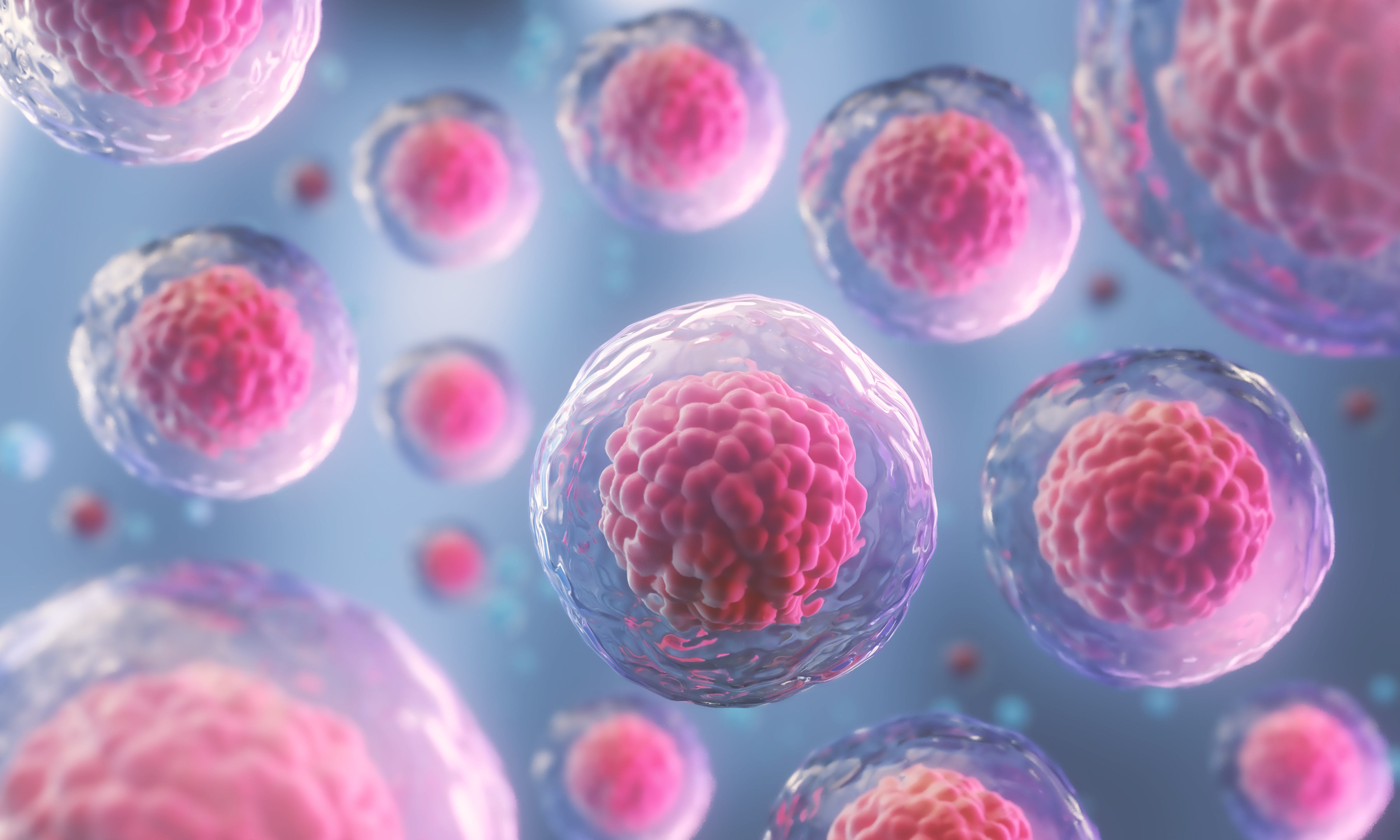
What if we told you that one day you mightn’t have to wait around for a lump to appear to know that you have cancer, but could find out with just a simple blood test?
That’s the mission of UNSW’s Associate Professor Fatemeh Vafaee and her team at the Vafaee Lab. They’ve developed one of Australia’s first AI-powered blood tests for breast cancer which is already being used in clinics across Sydney and Melbourne — and they’re just getting started.
So how does it work?
By analysing molecular signals like DNA, RNA, proteins, and lipids in the blood, their AI system can identify the subtle biological patterns that suggest cancer is developing, sometimes months or years before traditional imaging would pick it up.
That means fewer invasive biopsies, earlier diagnoses, and more personalised treatment options.
‘Are you joking, mate?’ AI doesn’t get sarcasm in non-American varieties of English

This week, we’re decoding sarcasm, literally.
Despite the hype, AI still struggles to understand English the way you speak it. Whether it’s a classic Aussie “Yeah, nah” or the desi sarcasm laced in an overbearing mum “Wow beta, 95 only? The rest went for a walk?”, large language models (LLMs) are still missing the punchline.
UNSW’s Dr Aditya Joshi and team have built BESSTIE — a world-first benchmark designed to test how well large language models (LLMs) like ChatGPT can understand sentiment and sarcasm across Australian, Indian, and British English. Spoiler: sarcasm detection? Not as smart as you think.
Turns out, most LLMs are trained and tested using Standard American English, which leaves a huge gap for anyone who speaks literally any other variety. That leaves one to ponder: if AI can’t understand how you speak, can it really serve everyone equally?
Dr Joshi’s team is already working on improving these tools to help break language barriers. So, while AI might not get your jokes just yet, it’s still always going to be your bestie (no pun intended).
UNSW engineers help crack key challenge in scaling quantum computers
Let’s turn the dial from artificial brains to quantum ones.
Engineers at UNSW and the University of Sydney have just cracked a major challenge in the race to build scalable, practical quantum computers and it’s all about staying cool under pressure (literally).
Their breakthrough? A new control technology called cryo-CMOS that can operate at near-absolute-zero temperatures, right next to fragile quantum bits — or qubits — without heating them up.
Why does that matter? Because scaling up to the millions of qubits we need to make quantum computing worth it depends on squeezing them into a tight, efficient space.
Quantum computing is still a while off yet (decades maybe?).
But if we do unlock it, it could revolutionise fields such as drug discovery and climate modelling.
Thanks to a powerhouse partnership between Sydney startups Diraq and Emergence Quantum the future of computing might just be cooler than we imagined.
Thanks for reading and see you next week!
 | A guest post by
|